

More than 4 in 5
people with migraine have continued working through symptoms at least ‘sometimes’.2

Migraine is more than headache.
It can cause tiredness and difficulty concentrating, with people reporting wide‑reaching impacts on work, social life, mental health and confidence.1
This Migraine Awareness Week (21 – 27 September), we’re exploring what migraine can look like in the workplace, what often goes unseen, and how better conversations can help people feel more understood and supported.

people with migraine have continued working through symptoms at least ‘sometimes’.2


have worried about letting colleagues or their employer down.2


said not wanting to be seen as unreliable made it difficult to talk about migraine at work.2
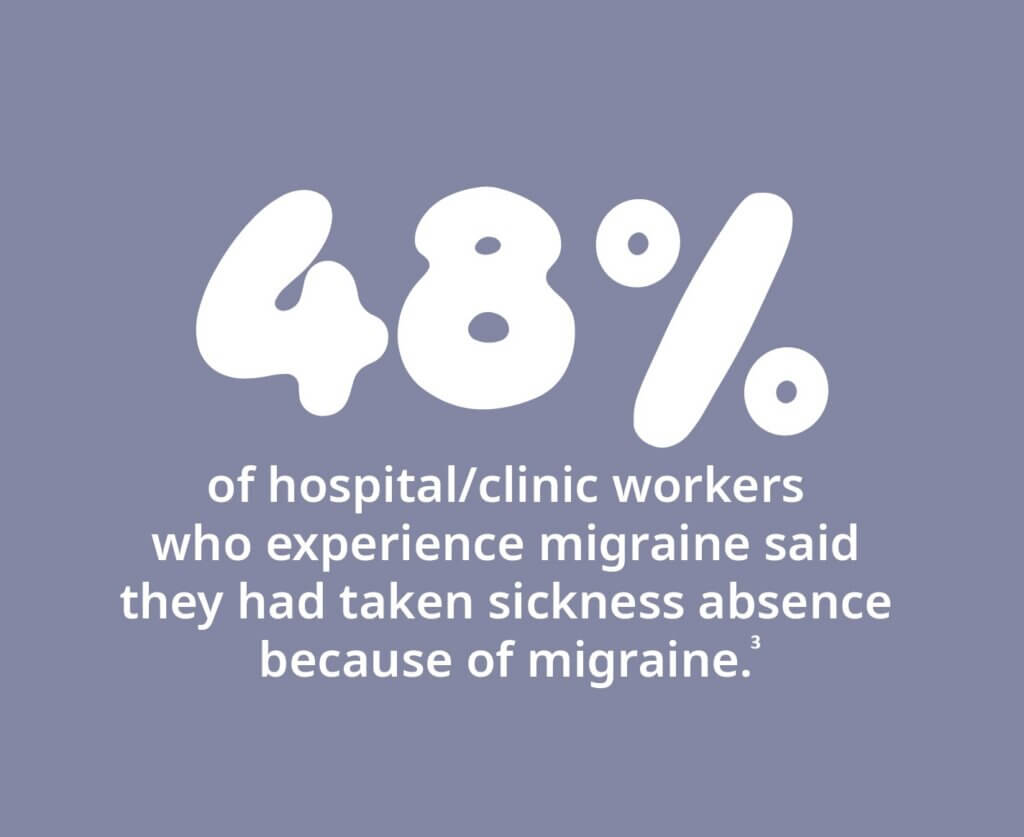
At work, the impact of migraine may be visible, such as absence or missed shifts, but it can also be hidden. Some people may manage symptoms in silence, worry about being taken seriously, or feel pressure to keep going when unwell.3
This can make conversations about support difficult. Migraine is different for everyone, so support should start with listening, not assumptions.4
In NHS workplaces, this can be particularly hard to navigate. People may spend their days caring for others while managing their own health, often alongside demanding working environments, shift patterns and limited opportunities to step away and take breaks when symptoms appear.5,6
Talking about migraine at work can feel difficult, especially if you are worried about not being believed or not knowing what support to ask for.
Before starting a conversation, it may help to think about:
Migraine can be invisible, unpredictable and different for everyone.
A supportive conversation can help someone feel understood and better able to manage at work.
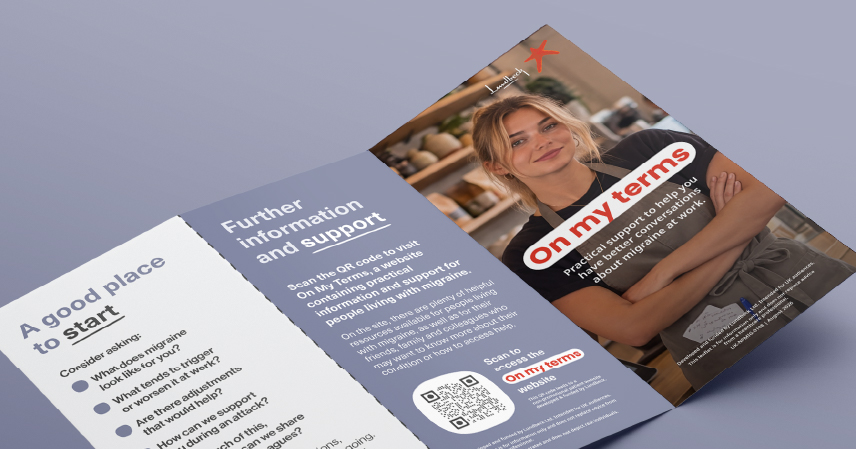
Our practical leaflet has been developed to support both ends of the conversation surrounding migraine at work.

Mind If I Join You? explores mental health, lived experience and support, for anyone affected personally, professionally or supporting a loved one.
Later this year, the series returns for a special episode on living and working with migraine, featuring the lived experience of an NHS paediatric nurse.

Explore helpful tools and resources for living and working with migraine, including signposts to useful tools, checklists and factsheets.
If you are suffering from migraines, you’re not alone. To find out more about migraines, and what you, can do to help break the cycle visit our section dedicated to people like you.